


 Pro Benefits
 About
About
 Terms
Terms
 Privacy
 Child Safety & Protection
 Notifications
 Ayrush Global It Services Pvt Ltd
Steps Houston Businesses Should Take Before Creating a Custom App
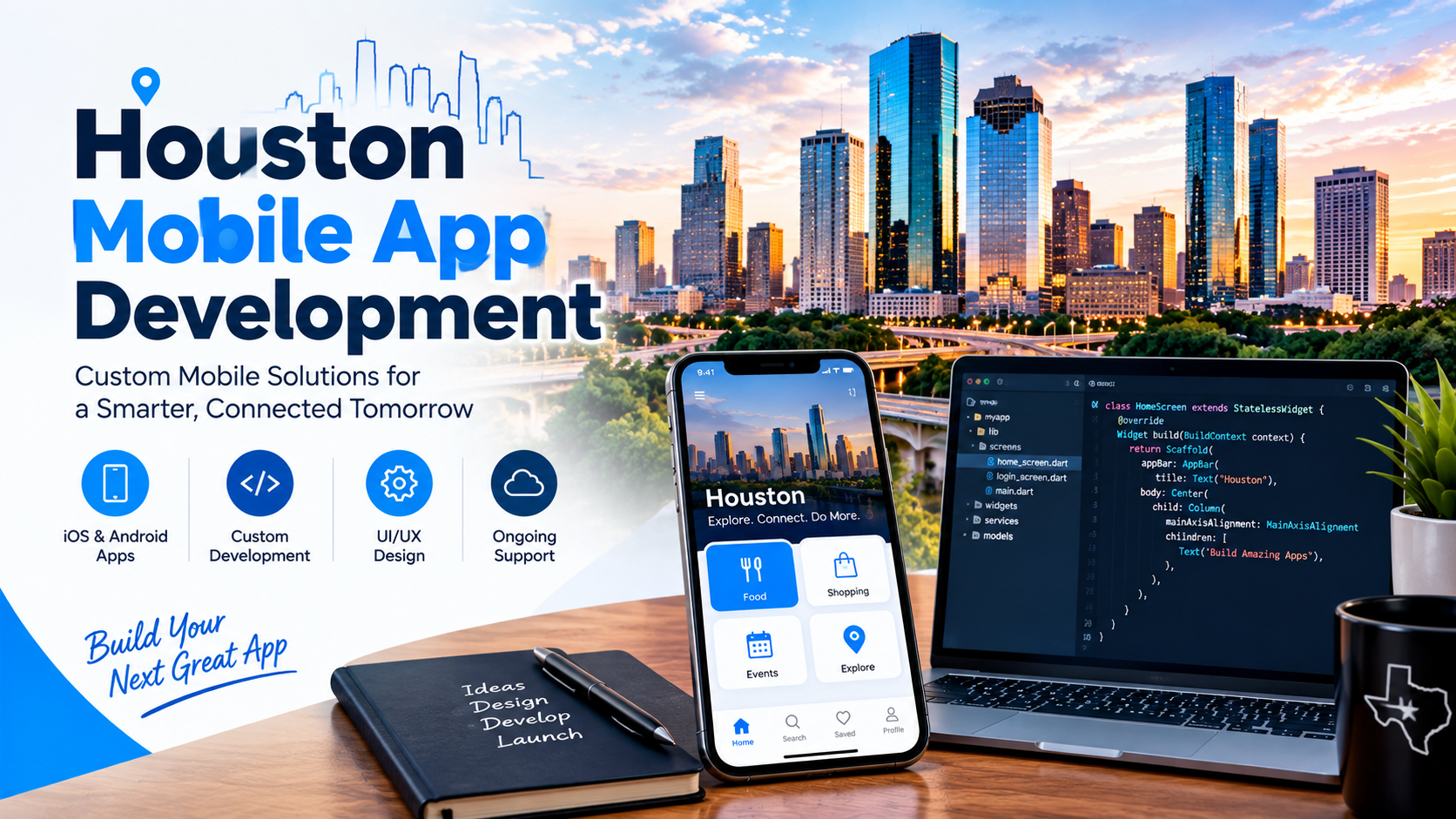
Businesses in Houston have many reasons to consider a custom mobile application. A well-planned app can make customer interactions easier, organize internal processes, and create new ways to deliver services. However, starting development without preparation can lead to unnecessary expenses, unclear features, and technical complications. Before investing in a project, Houston companies should understand what they want to achieve and how the application will fit into their wider business strategy.
Define the Business Problem
The first question should be simple: what problem will the application solve? An app should have a useful purpose rather than exist only because mobile technology is popular. A company might simplify ordering, scheduling, support, field operations, or customer access.
Writing down the main objective helps teams avoid adding features that do not contribute to the intended outcome.
Understand the People Who Will Use It
Knowing the audience is essential before designing screens or selecting technologies. Businesses should learn how customers currently interact with their services and where those interactions become difficult.
Research can include interviews, surveys, analytics, support requests, and competitor reviews. These sources may reveal what users need most and shape the application's priorities.
Decide Which Features Matter Most
It can be tempting to create an extensive feature list at the beginning. However, too many functions can increase development time and make the experience harder to use. Companies should separate essential features from ideas that can be introduced later.
For instance, a service business might initially need registration, scheduling, payments, notifications, and customer support. Advanced reporting or additional integrations could follow after the core product has been tested.
Establish the Technical Direction
Before development starts, businesses should consider which platforms they need to support. Some projects require separate native applications for iOS and Android, while others may benefit from cross-platform development.
Companies should also identify integrations with existing systems. An application may need to connect with payment providers, customer relationship platforms, inventory databases, calendars, maps, or communication tools. Understanding these requirements early can prevent surprises during development.
Choose the Right Development Partner
The development team can have a major effect on the project's process. When evaluating a mobile app development company in houston, businesses should review relevant experience, previous applications, technical knowledge, communication methods, testing practices, and support options.
Ask how the team handles changes, bugs, updates, and performance issues after launch. The partner should explain technical decisions clearly.
Prepare a Realistic Budget
App costs depend on design complexity, platforms, integrations, security, testing, and maintenance. Businesses should budget for both development and ongoing expenses.
Mobile operating systems change regularly, while servers, third-party services, analytics, and security improvements may create recurring costs.
Give Security Early Attention
Applications that collect customer information require careful security planning. Businesses should discuss authentication, permissions, encryption, secure storage, backups, and data access before development begins.
Privacy requirements should also be understood. Companies need to know what information the application will collect, where it will be stored, and which services can access it. Addressing these questions early can reduce technical and compliance problems later.
Test Before Going Public
An application should be tested under realistic conditions before being released widely. Testing can cover different devices, screen sizes, operating systems, network speeds, and user actions. Businesses should also allow selected customers or employees to try an early version and report problems.
Feedback from real users can uncover confusing navigation, missing functions, or technical issues that may not appear during internal testing.
Create a Plan Beyond Launch
Launching the application is not the end of the project. Businesses should decide how performance will be monitored and how feedback will be collected. Analytics can show which features receive attention, while reviews and support conversations can reveal areas that need improvement.
A clear maintenance plan also helps address software updates, security patches, compatibility changes, and future feature requests.
Building With Purpose
Preparation gives Houston businesses a stronger foundation for custom app development. By defining the problem, understanding users, prioritizing features, planning technology, selecting an experienced team, budgeting realistically, and preparing for maintenance, companies can approach development with clearer expectations. A thoughtful process can reduce avoidable problems and create a practical path toward an application that provides lasting value. Early planning gives owners a clearer basis for discussing scope, costs, responsibilities, and deadlines.
 English
 Arabic
 French
 Spanish
 Portuguese
 Deutsch
 Turkish
 Dutch
Dutch
 Italiano
 Russian
 Romaian
 Portuguese (Brazil)
 Greek
Greek
