


 Pro Benefits

 الشروط
 الخصوصية
 Child Safety & Protection
 الإشعارات
 Ayrush Global It Services Pvt Ltd
The Role of Hydraulic Designers in Stormwater Management Systems
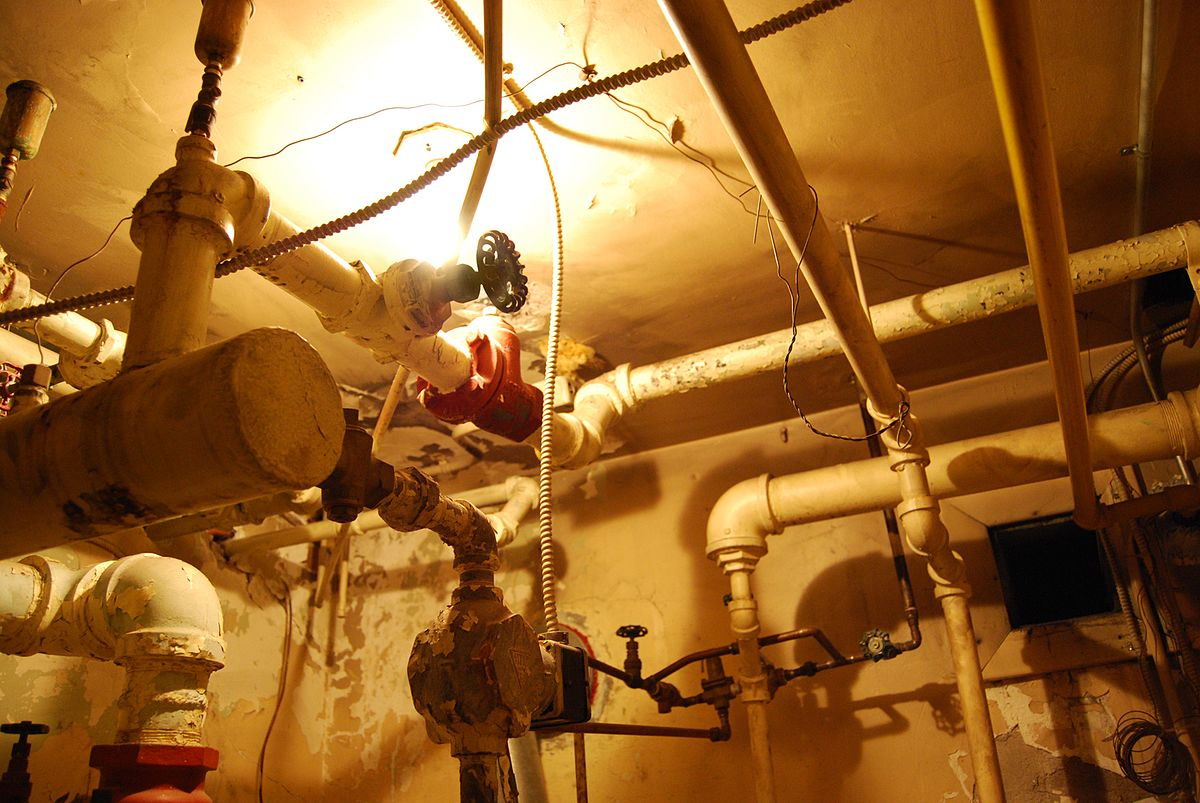
In today’s rapidly urbanizing world, managing stormwater effectively has become one of the most pressing challenges for engineers and city planners. Heavy rainfall, inadequate drainage systems, and expanding urban landscapes often lead to flooding, erosion, and water pollution. Behind every efficient stormwater system lies the expertise of a hydraulic designer — a professional who blends engineering science, environmental awareness, and innovation to create sustainable solutions for water management.
Hydraulic designers play an integral role in designing, planning, and optimizing stormwater management systems that protect infrastructure, reduce flood risks, and promote environmental balance. Their contribution ensures that cities and developments can handle rainfall efficiently while safeguarding both people and the environment.
What Is Stormwater Management?
Stormwater management involves controlling and utilizing rainwater runoff from roofs, roads, pavements, and other surfaces. In natural environments, rainwater infiltrates the soil or evaporates. However, in urban areas with limited permeable surfaces, water quickly accumulates and flows into drainage systems.
If not properly managed, this runoff can cause flooding, damage infrastructure, and carry pollutants into rivers and oceans. Stormwater management systems are designed to slow down, capture, and treat runoff to minimize these impacts. These systems include drainage networks, detention basins, stormwater pits, pipes, channels, and green infrastructure solutions such as rain gardens or permeable pavements.
Who Are Hydraulic Designers?
A hydraulic designer specializes in the design and analysis of systems that manage the movement and behavior of water and other fluids. In the context of stormwater management, hydraulic designers focus on creating systems that control water flow safely and efficiently — from the point of rainfall to its final discharge into natural waterways or storage facilities.
They work closely with civil engineers, urban planners, architects, and environmental consultants to integrate stormwater management solutions into new and existing developments. Their role requires not only technical expertise but also an understanding of environmental sustainability, local regulations, and urban hydrology.
Key Responsibilities of Hydraulic Designers in Stormwater Management
Hydraulic designers contribute to every stage of stormwater management projects — from conceptual design to construction and maintenance. Below are some of their major responsibilities:
1. Site Assessment and Data Analysis
The first step for a hydraulic designer is to understand the project site. They analyze topography, rainfall intensity, soil type, land use, and existing drainage patterns. Using this data, they model how stormwater will behave during various rainfall events. This helps determine the capacity required for drainage systems and identify potential flood-prone areas.
2. Designing Drainage Networks
Once data is collected, hydraulic designers develop comprehensive stormwater drainage plans. These include the layout of pipes, culverts, pits, channels, and detention basins. The goal is to ensure that stormwater is efficiently captured and conveyed without causing surface flooding or erosion.
They calculate pipe diameters, slopes, and flow velocities using hydraulic modeling software like HEC-RAS, XP-STORM, DRAINS, or AutoCAD Civil 3D. Accurate design ensures optimal flow and prevents blockages or system overloads during heavy rainfall.
3. Flood Risk Management
One of the core responsibilities of hydraulic designers is flood prevention. By simulating various rainfall scenarios, they predict flood risks and design systems to mitigate them. This may include constructing detention or retention basins that temporarily store stormwater and release it slowly to reduce downstream flooding.
Designers also consider extreme weather events and climate change impacts to ensure systems remain effective for decades to come.
4. Integration of Sustainable Drainage Systems (SuDS)
Modern hydraulic design goes beyond traditional pipes and pits. Hydraulic designers now focus on Sustainable Drainage Systems (SuDS) or Water Sensitive Urban Design (WSUD) principles. These include features like:
- Permeable pavements
- Swales and bio-retention areas
- Green roofs
- Rainwater harvesting systems
These systems mimic natural processes, allowing water to infiltrate, filter, and evaporate, thereby reducing runoff volume and improving water quality.
5. Compliance with Regulations and Standards
Stormwater design is governed by strict regulations to ensure safety and environmental protection. Hydraulic designers ensure that all designs meet local council requirements, Australian Standards (AS/NZS), and environmental laws. They prepare detailed documentation and submit stormwater management plans for approval by authorities.
6. Collaboration and Coordination
Hydraulic designers work closely with multidisciplinary teams to integrate stormwater systems into overall site plans. They coordinate with civil engineers for grading and earthworks, architects for site layouts, and environmental consultants for ecological assessments. This collaboration ensures that the design is practical, cost-effective, and environmentally responsible.
7. Construction Support and Maintenance Guidance
During the construction phase, hydraulic designers often assist contractors by reviewing shop drawings, responding to design queries, and inspecting works to ensure systems are built according to specifications. They may also provide guidance on long-term maintenance practices to keep stormwater systems functioning efficiently.
Why Hydraulic Designers Are Essential in Stormwater Management
The role of hydraulic designers is critical for several reasons:
1. Flood Prevention and Safety
Without proper hydraulic design, even small rainfall events can cause localized flooding, damaging property and endangering lives. Hydraulic designers create systems that manage stormwater safely, reducing flood risk and protecting infrastructure.
2. Environmental Protection
Runoff from urban areas often carries pollutants like oil, debris, and heavy metals. Through advanced stormwater treatment designs, hydraulic designers help minimize pollution and protect natural waterways, improving water quality and ecosystem health.
3. Sustainable Urban Development
Modern cities aim for sustainability — and efficient stormwater management is a key part of that vision. By integrating water-sensitive designs, hydraulic designers promote groundwater recharge, reduce strain on stormwater networks, and support green building initiatives.
4. Cost Efficiency
A well-designed hydraulic system reduces maintenance costs, minimizes damage risks, and ensures long-term reliability. Hydraulic designers help developers and councils save money through smart design and resource optimization.
5. Adaptation to Climate Change
With increasing rainfall variability and extreme weather patterns, stormwater systems must be resilient. Hydraulic designers incorporate climate-adaptive solutions to ensure infrastructure can withstand future conditions.
Tools and Technologies Used by Hydraulic Designers
Hydraulic designers rely on a range of software and modeling tools to create precise, efficient, and compliant designs. Some commonly used tools include:
- HEC-RAS / HEC-HMS – for hydrologic and hydraulic modeling
- XP-STORM / DRAINS – for stormwater analysis and system design
- AutoCAD Civil 3D – for drafting and design documentation
- GIS (Geographic Information Systems) – for mapping and data analysis
These tools help simulate rainfall events, visualize drainage networks, and optimize system performance before construction begins.
The Future of Stormwater Management and Hydraulic Design
The field of stormwater management is evolving rapidly with advancements in technology and sustainability. Smart stormwater systems, powered by sensors and Internet of Things (IoT) devices, now allow real-time monitoring of water levels and flow rates. Hydraulic designers are increasingly using AI-based modeling and digital twins to predict system behavior under different scenarios.
Moreover, climate resilience, biodiversity protection, and green infrastructure are becoming top priorities in design philosophy. The next generation of hydraulic designers will play a vital role in creating cities that are not only flood-resistant but also environmentally harmonious.
Conclusion
The expertise of hydraulic designers is fundamental to the success of stormwater management systems. Their work ensures that water is managed efficiently, cities remain resilient against floods, and the environment stays protected. By combining engineering precision with sustainable design principles, hydraulic designers help shape urban spaces that can thrive under any weather condition.
 Arabic
 English
 French
 Spanish
 Portuguese
 Deutsch
 Turkish
 Dutch
Dutch
 Italiano
 Russian
 Romaian
 Portuguese (Brazil)
 Greek
Greek
