


 Pro Benefits
 Über
Über
 Bedingungen
 Datenschutz
 Child Safety & Protection
 Benachrichtigungen
 Ayrush Global It Services Pvt Ltd
The Evolution of Digitizing Services USA: How Modern Technology is Transforming Embroidery
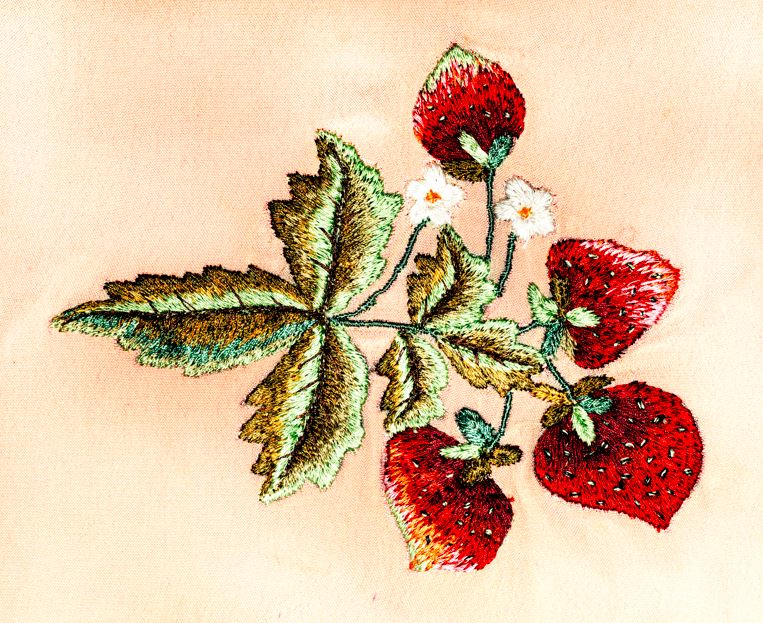
Introduction to the Digital Transformation of Embroidery
The embroidery industry has witnessed a remarkable transformation with the rise of modern custom applique embroidery techniques. What was once a time-consuming manual craft has evolved into a technology-driven art form, powered by precision and innovation. Today, digitizing technology plays a crucial role in bringing detailed designs to life on fabric. Whether it’s for fashion, branding, or personalized gifts, embroidery digitizing has revolutionized how creative ideas are executed with perfection.
What is Embroidery Digitizing and Why It Matters
Embroidery digitizing is the process of converting artwork or logos into a digital format that embroidery machines can interpret. This file directs the machine on how to stitch, including where to start, which colors to use, and what types of stitches are required. It’s not just about automation—it’s about maintaining the soul of hand embroidery while ensuring consistency, efficiency, and precision in every stitch.
Businesses, especially in apparel, sportswear, and promotional sectors, rely heavily on embroidery digitizing to maintain brand identity across various materials. Without digitizing, it would be impossible to achieve the same professional and polished look that’s expected in modern embroidery.
The Role of Technology in Modern Embroidery
Technological advancement has redefined embroidery digitizing. Software tools allow designers to manipulate stitches, colors, and textures with great accuracy. Advanced programs like Wilcom, Hatch, and Pulse make it possible to visualize designs before production, minimizing errors and wastage.
High-speed embroidery machines further enhance efficiency, enabling mass production without compromising on quality. From 3D puff embroidery to applique work, every design now benefits from automation supported by expert digitizing services.
Benefits of Digitizing for Businesses and Designers
Digitizing services provide immense value for both small designers and large-scale manufacturers. Some key benefits include:
-
Consistency: Every design remains identical across multiple products.
-
Speed: Automated embroidery reduces production time.
-
Precision: Complex designs can be executed flawlessly.
-
Scalability: Designs can be resized for caps, jackets, or shirts without quality loss.
This makes embroidery digitizing an essential process for brands seeking a professional, reliable, and scalable embroidery solution.
Types of Embroidery Digitizing Techniques
Digitizing is not a one-size-fits-all approach. There are various techniques, each serving a unique purpose:
-
Applique Digitizing: Combines fabric pieces stitched onto a base material for a textured look.
-
3D Puff Digitizing: Adds dimension and depth using foam under stitches.
-
Chenille and Sequin Digitizing: Used for decorative and textured embroidery.
-
Logo Digitizing: Perfect for corporate and team branding.
-
Monogram Digitizing: Popular in personalized gifts and fashion.
Each method requires expert handling to ensure the best outcome depending on the fabric type and design complexity.
Why Businesses Prefer Outsourcing Digitizing Services
Outsourcing digitizing tasks to professionals saves both time and cost. Expert digitizers understand thread density, stitch types, and machine compatibility better than most in-house teams. They ensure the design looks flawless, no matter the fabric.
Moreover, outsourcing allows businesses to focus on their core operations while still delivering premium embroidered products. It’s an efficient way to meet tight deadlines without compromising design quality.
Trends Shaping the Future of Embroidery Digitizing
Modern trends in embroidery digitizing are driven by both aesthetics and technology. Some of the major trends include:
-
AI-assisted design creation that refines patterns and reduces human error.
-
Eco-friendly threads and fabrics for sustainable embroidery.
-
3D visualization tools that let clients preview designs before stitching.
-
Cloud-based collaboration allowing teams to work remotely and share files instantly.
As technology continues to evolve, embroidery digitizing will become even more refined, customizable, and accessible to businesses of all sizes.
Common Mistakes in Digitizing and How to Avoid Them
Even skilled designers can make mistakes that affect embroidery quality. Common errors include incorrect stitch density, poor pathing, or inappropriate underlay. To avoid such issues:
-
Always test stitch before production.
-
Use suitable thread tension for each fabric.
-
Optimize stitch count to prevent puckering or thread breakage.
Professional digitizers have the expertise to identify and correct these issues, ensuring high-quality results every time.
How to Choose the Right Digitizing Partner
Selecting the right digitizing company is critical. Look for these qualities:
-
Experience: Years in the industry matter.
-
Portfolio: A diverse range of work shows versatility.
-
Customer Support: Responsive and reliable communication.
-
File Compatibility: Ensure they deliver machine-ready files (DST, PES, EXP, etc.).
-
Turnaround Time: Quick yet accurate service is ideal.
A trusted partner ensures that your designs are production-ready and meet your exact creative vision.
Conclusion: The Power of Digitizing in the Embroidery Industry
Embroidery digitizing has become the backbone of modern textile art and apparel design. From small boutique brands to global manufacturers, everyone benefits from precise, professional digitizing solutions. The integration of creativity with technology continues to redefine embroidery’s possibilities.
For businesses seeking excellence and innovation, expert digitizing services in usa ensure every design is transformed into a flawless, machine-ready masterpiece.

 English
 Arabic
 French
 Spanish
 Portuguese
 Turkish
 Dutch
Dutch
 Italiano
 Russian
 Romaian
 Portuguese (Brazil)
 Greek
Greek
