


 Pro Benefits
 About
About
 Terms
Terms
 Privacy
 Child Safety & Protection
 Notifications
 Ayrush Global It Services Pvt Ltd
Termite Control
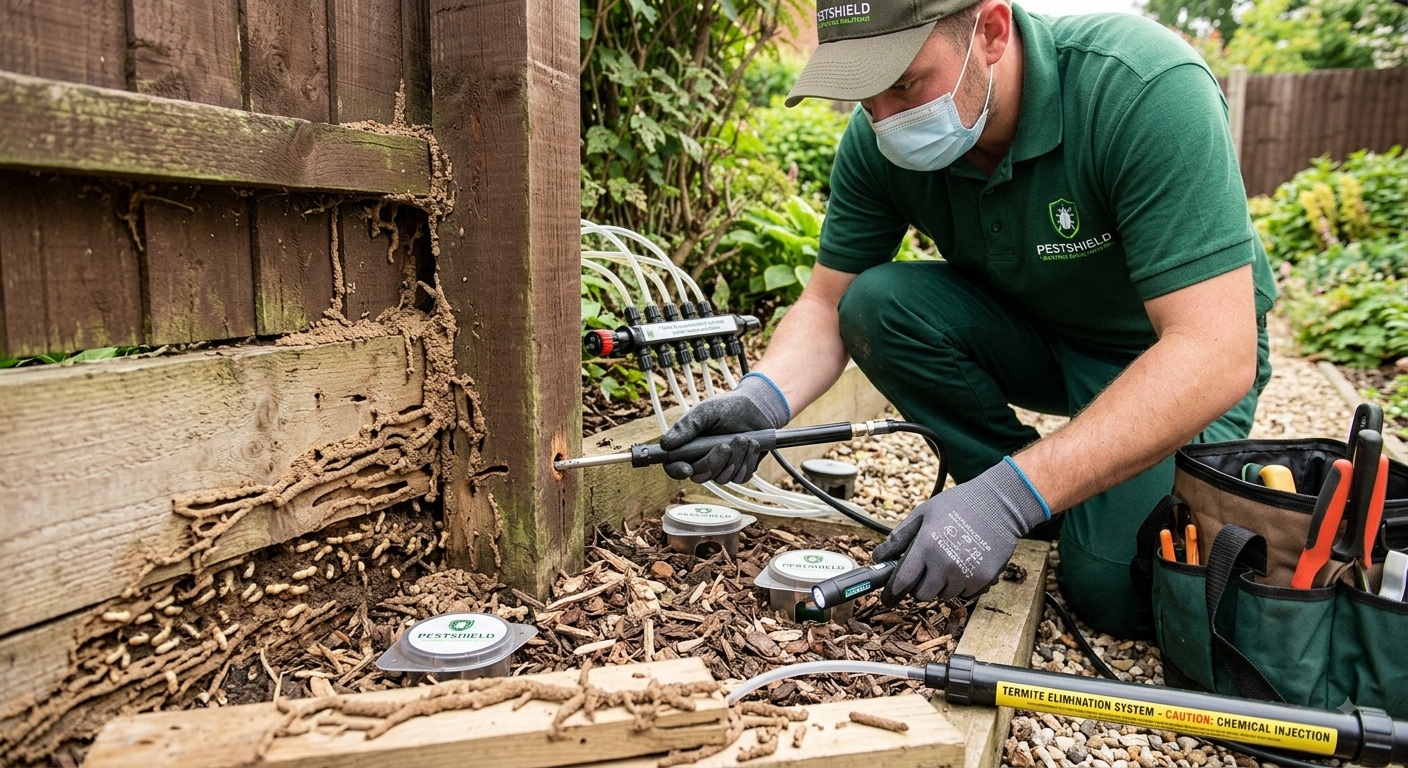
Termites are among the most destructive pests that can invade a home or commercial property. Unlike many household pests that are easy to notice, termites often remain hidden inside walls, floors, foundations, and wooden structures while they feed and build their colonies. By the time visible signs appear, significant damage may already have occurred.
Effective termite control is therefore an important part of property maintenance. Regular inspections, moisture management, preventive treatments, and professional pest control can help identify termite activity early and reduce the risk of expensive structural repairs.
Best@Pest Exterminating provides professional termite control services in New York, offering inspection, treatment, and prevention solutions for residential and commercial properties.
What Are Termites?
Termites are social insects that live in organized colonies. They feed primarily on cellulose, a material found in wood and many plant-based materials. Because buildings contain large amounts of wood and other cellulose-containing materials, properties can provide termites with an abundant food source.
Termites can attack structural wood, flooring, walls, foundations, furniture, and other wooden components. Their feeding activity may continue for long periods without obvious signs on the surface.
One of the biggest challenges with termite infestations is that the insects can remain concealed. This makes professional inspection especially valuable when there are signs of possible termite activity.
Why Termite Control Is Important
Termite damage can develop slowly, but the financial consequences can be significant. As termites tunnel through wooden materials, they can gradually weaken the affected areas.
The longer an infestation remains untreated, the greater the opportunity for termites to expand into additional parts of a property. Professional termite control can help stop active infestations and provide protection against future activity.
According to Best@Pest Exterminating, early termite treatment and regular inspections can help prevent extensive damage and reduce the possibility of expensive repairs.
Termite control is important because it can help:
- Protect structural wood
- Detect infestations before they become severe
- Reduce the risk of expensive repairs
- Control active termite colonies
- Protect furniture and other wooden materials
- Prevent future infestations
- Maintain the value and condition of a property
Common Signs of Termite Infestation
Knowing the warning signs of termites can help homeowners take action quickly. Some infestations are difficult to detect, but several clues may indicate termite activity.
1. Termite Mud Tubes
Mud tubes are one of the most recognizable signs of subterranean termites. These narrow structures may appear along foundations, walls, crawl spaces, or other surfaces.
Termites use mud tubes as protected pathways between their colony and food sources. If you discover mud tubes around your property, professional inspection is recommended.
2. Hollow or Damaged Wood
Wood that sounds hollow when tapped can be a warning sign of termite activity. Termites may consume wood from the inside, leaving a thin outer layer that makes the damage difficult to see.
Over time, heavily damaged wood may become weak or brittle.
3. Discarded Wings
Termite swarmers may leave their colonies to establish new colonies. After swarming, discarded wings may be found near windows, doors, lights, or other areas.
Finding large numbers of wings indoors can indicate that termites are present or that a colony may be located nearby.
4. Cracked or Bubbling Paint
Paint that appears cracked, blistered, or bubbled may sometimes be associated with termite activity beneath the surface. While other moisture or construction issues can produce similar symptoms, unusual paint damage should be investigated.
5. Damaged Flooring or Walls
Termite activity can affect flooring, walls, ceilings, and other wooden components. Warped or weakened areas may indicate an underlying problem that is not immediately visible.
Types of Termites
Different termite species have different behaviors and nesting habits. Identifying the type of termite is important because treatment strategies may vary.
Subterranean Termites
Subterranean termites typically live underground or in protected soil environments. They may construct mud tubes to travel between the colony and food sources.
These termites can cause extensive damage because colonies may remain hidden while workers continuously search for cellulose materials. Best@Pest Exterminating identifies subterranean termites as an important concern for property owners because of their potential to cause significant wood damage.
Drywood Termites
Drywood termites are different because they do not require direct contact with soil. They can establish colonies inside relatively dry wooden structures.
Because they live within wood, drywood termite infestations can be particularly difficult to discover. Professional inspection and appropriate treatment are important when drywood termites are suspected.
Swarming Termites
Swarming termites are reproductive members of mature colonies. Their appearance can be a major warning sign because swarmers may leave an established colony to create new nesting sites.
Homeowners who notice flying termites or piles of discarded wings should arrange a professional termite inspection.
How Professional Termite Control Works
Effective termite control starts with identifying the infestation and understanding how extensive it is. Professional pest specialists can inspect areas where termites are likely to hide, including foundations, crawl spaces, wooden structures, walls, and other vulnerable areas.
Inspection
A detailed inspection helps determine whether termites are active and where they may be located.
Professionals look for mud tubes, damaged wood, swarmers, discarded wings, moisture problems, and other indicators of termite activity.
Treatment Planning
Once the infestation has been assessed, the pest control professional can recommend an appropriate treatment plan.
The treatment may depend on the termite species, location of the colony, extent of damage, construction of the property, and other environmental factors.
Targeted Treatment
Professional termite control may include liquid termiticides, barrier treatments, bait systems, or other appropriate pest management techniques.
Best@Pest Exterminating states that its termite services include targeted treatment solutions such as liquid termiticide barrier treatments and professional termite control methods.
Termite Barrier Treatments
Liquid termiticide treatments can be used to create treated zones around or within areas where termites are likely to travel.
The purpose of a termite barrier is to help prevent termites from reaching vulnerable parts of a building and to control insects that encounter treated areas.
Because termite treatments involve specialized products and application techniques, they should be performed by trained professionals.
Termite Bait Systems
Bait systems are another approach used in professional termite management. Termite baits are designed to attract termites and deliver an active ingredient that can affect the colony.
Bait systems may be useful as part of an integrated termite management program. Professionals can determine whether baiting is suitable based on the property and infestation.
Preventing Termite Infestations
Professional treatment is important when termites are already active, but prevention is equally valuable. Property owners can take several steps to make their homes less attractive to termites.
Control Moisture
Moisture can create favorable conditions for certain termite species. Repair leaking pipes, roofs, gutters, and other sources of excess moisture.
Keep crawl spaces and vulnerable areas properly ventilated when possible.
Keep Wood Away From Soil
Direct contact between wooden materials and soil can create an easy pathway for some termites. Where practical, maintain appropriate separation between soil and structural wood.
Store Firewood Properly
Firewood should be stored away from the exterior walls of the home. Avoid keeping large piles of wood directly against the building because they can provide food and shelter for pests.
Repair Leaks Quickly
Water leaks should be repaired as soon as possible. Areas that remain damp for extended periods may become more vulnerable to pest activity and wood deterioration.
Schedule Regular Inspections
Annual termite inspections can help identify potential problems before they develop into major infestations. Best@Pest Exterminating recommends routine professional termite inspections as part of termite prevention.
DIY Termite Control vs. Professional Treatment
Some homeowners attempt to eliminate termites using over-the-counter pest control products. While basic pest products may be useful for certain exposed insects, termites are much more difficult to control because colonies can remain hidden.
Spraying visible termites does not necessarily eliminate the colony. The insects responsible for the majority of the damage may be located inside walls, beneath floors, underground, or deep inside wooden structures.
Professional termite control provides a more comprehensive approach by focusing on inspection, identification, treatment, and prevention.
Why Choose Professional Termite Control?
Professional pest control can provide homeowners with a structured approach to dealing with termite infestations.
Best@Pest Exterminating highlights licensed professionals, termite inspection services, professional treatment methods, and prevention strategies as part of its termite control services.
Professional termite services can offer:
- Detailed property inspections
- Identification of termite activity
- Treatment recommendations based on the infestation
- Professional application of termite control products
- Preventive strategies
- Assistance in reducing future termite risks
- Long-term pest management support
Protect Your Property Before Damage Gets Worse
Termites should never be ignored. A small sign such as a mud tube, discarded wings, or damaged wood may indicate a much larger problem hidden beneath the surface.
The best way to protect your property is to respond quickly when warning signs appear. A professional inspection can help determine whether termites are active and identify areas that require treatment.
Preventive measures are also important. Controlling moisture, keeping wood away from soil, storing firewood properly, repairing leaks, and scheduling regular inspections can all contribute to better termite prevention.
 English
 Arabic
 French
 Spanish
 Portuguese
 Deutsch
 Turkish
 Dutch
Dutch
 Italiano
 Russian
 Romaian
 Portuguese (Brazil)
 Greek
Greek
