


 Pro Benefits
 Sobre
Sobre
 Termos
 Privacidade
 Child Safety & Protection
 Notificações
 Ayrush Global It Services Pvt Ltd
Laparoscopic Surgery for Pelvic Conditions
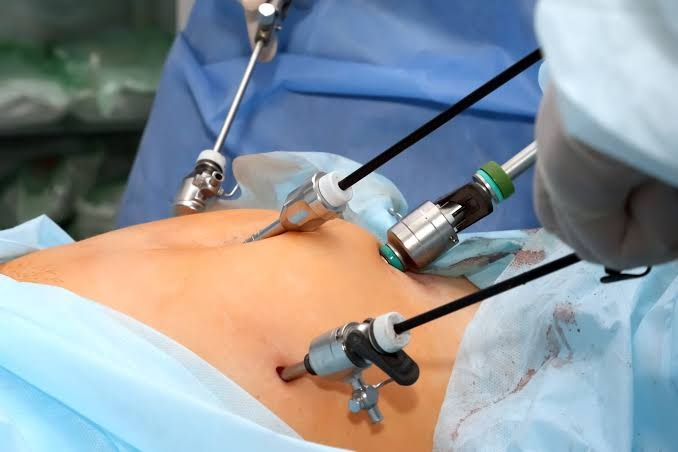
Laparoscopic surgery is a minimally invasive surgical technique used to diagnose and treat several conditions affecting the pelvis. Unlike traditional open surgery, which may require a larger incision, laparoscopy typically involves a few small incisions through which a camera and specialized surgical instruments are inserted. Laparoscopic surgery in Islamabad can be considered for appropriate patients with pelvic conditions when conservative treatments are not effective or when surgery is medically necessary.
What Is Laparoscopic Surgery?
Laparoscopy is a surgical approach that allows a surgeon to examine the pelvic organs using a thin instrument called a laparoscope. The laparoscope has a small camera that projects magnified images onto a monitor, helping the surgeon carefully examine internal structures.
Depending on the condition, laparoscopic surgery can be used for both diagnosis and treatment. It may involve removing abnormal tissue, treating cysts, repairing damaged structures, or addressing conditions affecting reproductive organs.
Because the procedure uses smaller incisions, patients may experience less tissue disruption compared with conventional open surgery.
Which Pelvic Conditions Can Be Treated With Laparoscopy?
Several gynecological and pelvic conditions may be evaluated or treated using minimally invasive techniques. The appropriate procedure depends on the diagnosis, symptoms, medical history, and overall health of the patient.
Endometriosis
Endometriosis occurs when tissue similar to the uterine lining grows outside the uterus. It can cause pelvic pain, painful periods, discomfort during intercourse, and fertility difficulties.
Laparoscopy can help identify endometrial lesions and, when appropriate, allow the surgeon to remove or treat abnormal tissue.
Ovarian Cysts
Ovarian cysts are fluid-filled or solid structures that can develop on the ovaries. Many cysts resolve naturally, but some may become large, painful, persistent, or otherwise require medical evaluation.
In selected cases, laparoscopic surgery may be used to remove the cyst while preserving healthy ovarian tissue when possible.
Uterine Fibroids
Fibroids are non-cancerous growths that develop in or around the uterus. Depending on their location and size, they may cause heavy menstrual bleeding, pelvic pressure, pain, or reproductive problems.
Certain fibroids can be treated through minimally invasive surgical techniques, although the exact approach depends on their characteristics.
Pelvic Adhesions
Pelvic adhesions are bands of scar tissue that can cause organs or tissues to stick together. They may develop after previous surgery, infection, endometriosis, or inflammation.
During laparoscopy, a surgeon can assess these adhesions and may remove them when medically appropriate.
How Does Pelvic Laparoscopic Surgery Work?
Before surgery, the patient generally undergoes a medical assessment that may include a physical examination, imaging studies, blood tests, and other diagnostic investigations.
Laparoscopic procedures are usually performed under general anesthesia. The surgeon makes small incisions, commonly around the abdomen, and inserts the laparoscope. Carbon dioxide gas may be introduced into the abdominal cavity to create space and improve visibility.
The surgeon then examines the pelvic structures on a monitor and uses specialized instruments through additional small incisions. Depending on the condition, abnormal tissue, cysts, adhesions, or other problems may be treated during the same procedure.
After the procedure is completed, the instruments are removed and the small incisions are closed.
Benefits of Laparoscopic Surgery for Pelvic Conditions
One of the major advantages of minimally invasive pelvic surgery is the smaller size of the surgical incisions. This may result in less postoperative discomfort and smaller scars compared with traditional open surgery.
Other potential benefits include reduced tissue trauma, shorter hospital stays for suitable procedures, and an earlier return to everyday activities. However, recovery varies according to the specific operation and the patient's individual health.
Laparoscopy is not automatically the best option for every patient. Some complex conditions may require a different surgical approach.
Recovery After Laparoscopic Pelvic Surgery
Recovery depends on the type and extent of the procedure. Patients may experience temporary abdominal discomfort, bloating, fatigue, or mild pain around the incision sites.
Following the surgeon's instructions is important during recovery. Patients may be advised to avoid strenuous exercise and heavy lifting for a specific period while the surgical sites heal.
A gradual return to normal activities is generally recommended. Follow-up appointments allow the healthcare provider to assess healing and discuss pathology or other test results when applicable.
When Should You Consult a Specialist?
Persistent pelvic pain, unusually heavy menstrual bleeding, painful periods, recurrent ovarian cysts, unexplained fertility problems, or other concerning symptoms should be evaluated by a qualified healthcare professional.
A specialist can determine whether imaging, medication, observation, or laparoscopic surgery is appropriate. Surgery should be recommended based on an individual diagnosis rather than symptoms alone.
Final Thoughts
Laparoscopic surgery can provide a minimally invasive approach for diagnosing and treating selected pelvic conditions, including endometriosis, ovarian cysts, fibroids, and pelvic adhesions. Its smaller incisions and targeted surgical technique can offer several recovery advantages for suitable patients. If you are considering laparoscopic surgery in Islamabad, a consultation with an experienced specialist can help determine the safest and most appropriate treatment approach for your condition.
 Portuguese (Brazil)
 English
 Arabic
 French
 Spanish
 Portuguese
 Deutsch
 Turkish
 Dutch
Dutch
 Italiano
 Russian
 Romaian
 Greek
Greek
