


 Pro Benefits
 About
About
 Koşullar
 Gizlilik
 Child Safety & Protection
 Bildirimler
 Ayrush Global It Services Pvt Ltd
Coding Best Practices to Improve Code Quality & Speed
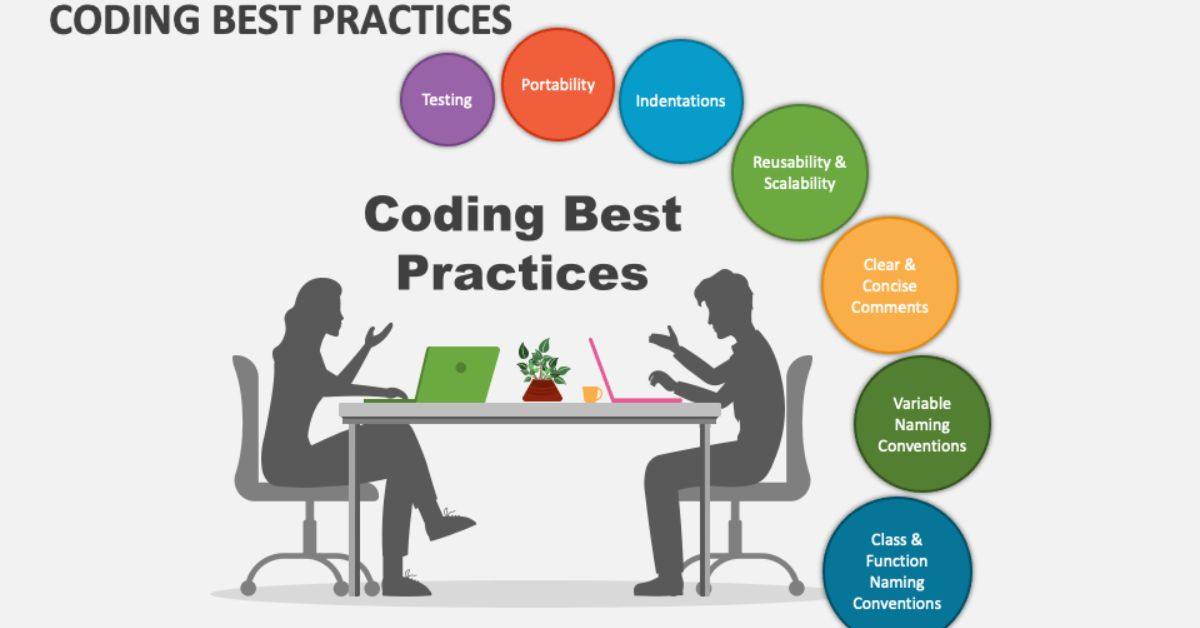
Picture this: you open a project you built a year ago, and within minutes you're completely lost in your own code. No idea what half the functions do, no comments to guide you, and variable names like "x1" and "temp2" everywhere. Sound familiar? This happens to almost every developer at some point, and it's usually a sign that coding best practices got skipped along the way.
In this guide, we'll break down simple, practical habits that help you write better code and build software that actually lasts. And along the way, we'll explain why teaming up with ThinkDone Solutions can save you from these headaches altogether.
Why Clean Code Isn't Just a "Nice to Have"
Here's a real example. A small retail business once hired a developer to quickly build an inventory tracking tool. It worked fine at first, but the code was rushed and disorganized. When the business tried to add a new feature six months later, nobody could safely touch the old code without breaking something. In the end, they had to scrap it and start over, wasting both time and budget.
This is why software development done the right way matters so much. Quality code isn't only about function — it's about making sure your software can grow and adapt without falling apart.
A Step-by-Step Guide to Writing Better Code
Below is an easy roadmap that works whether you're coding solo or managing a team.
Step 1: Prioritize Clarity Over Cleverness
Skip the fancy one-line tricks. Use clear naming, consistent formatting, and functions that each handle a single task. Code that's easy to read is code that's easy to fix later.
Step 2: Explain the "Why," Not the "What"
Good comments don't restate the obvious — they explain the reasoning behind tricky decisions. This habit saves the next developer (maybe even future-you) a lot of confusion.
Step 3: Catch Bugs Before They Grow
Testing early — through unit tests, integration checks, and regression runs — stops small issues from turning into major, expensive problems later.
Step 4: Make Refactoring a Habit, Not an Event
Think of it like tidying your workspace regularly instead of waiting for total chaos. Frequent, small clean-ups prevent technical debt from piling up unnoticed.
Step 5: Lean on Team Reviews
Nobody catches every mistake alone. Code reviews spread knowledge across the team and keep everyone working to the same standard — something that matters a lot when relying on software development outsourcing for extra hands.
Step 6: Keep Documentation Current
As your system grows, solid documentation becomes essential. It speeds up onboarding and makes future software integration services far smoother when new tools need to connect.
Step 7: Don't Ignore Modernization
Old systems slow teams down and open security gaps. Scheduling regular software modernization keeps your platform current without forcing a painful, full rebuild years later.
Simple Habits That Boost Performance
Clean code and strong performance go hand in hand. A few habits that consistently pay off:
-
Trim down database queries so you're only pulling what's needed.
-
Cache data that gets requested often to ease server strain.
-
Avoid redundant loops and unnecessary calculations.
-
Track real performance metrics instead of relying on assumptions.
Small changes like these add up to noticeably faster, more reliable software.
Why It Pays to Bring in the Right Team
Here's the honest part: even developers with great intentions struggle to follow every best practice consistently — it takes time, discipline, and experience. That's where a dependable custom software development partner truly earns its value.
This is where ThinkDone Solutions stands out. Through nearshore software development, they connect businesses with skilled developers in convenient time zones, offering strong communication and cost savings without cutting corners on quality.
Need a reliable crm software development services partner to organize your customer data? Or a team experienced in software integration services to connect your existing tools seamlessly? ThinkDone Solutions builds with care, not shortcuts — so your software is solid from day one.
If rushed projects or unreliable outsourcing have burned you before, it might be time to work with a team that treats your code like it's their own.
Conclusion
Strong software isn't built by accident — it comes from consistent habits: clear code, meaningful comments, frequent testing, honest reviews, and timely modernization. These small, steady practices protect you from costly rebuilds and frustrated users later on.
And when you're ready for expert support, ThinkDone Solutions offers exactly that — a software development company that pairs technical skill with real care, through custom software development, nearshore software development, and dependable software development outsourcing.
FAQs
1. What are coding best practices?
Coding best practices are established habits — like writing readable code, testing consistently, and documenting key decisions — that make software easier to maintain, scale, and improve over time.
2. How does clean code affect software performance?
Clean code lowers the chance of bugs, speeds up debugging, and allows teams to fine-tune specific areas without disrupting the rest of the system, which directly improves speed and stability.
3. What makes nearshore software development a smart choice?
It gives businesses access to skilled developers in convenient time zones, smoother communication, and lower costs than building an in-house team — a practical balance of quality and affordability.
4. Why should businesses choose ThinkDone Solutions?
ThinkDone Solutions blends technical expertise with genuine attention to detail, delivering custom software development, integration, and modernization services built to grow alongside your business.
 Turkish
 English
 Arabic
 French
 Spanish
 Portuguese
 Deutsch
 Dutch
Dutch
 Italiano
 Russian
 Romaian
 Portuguese (Brazil)
 Greek
Greek
